How to Run Experience Workshops That Actually Align Teams
From my time at Cooper to working with cross-functional teams at Fitbit, Zillow and Patreon I’ve seen firsthand how Experience Workshops turn abstract design goals into tangible, actionable decisions. They help teams align on what a product should feel like — beyond just what it does — making collaboration smoother and reducing friction down the road.
In this guide, I’ll walk you through how to plan, facilitate, and make the most of an Experience Workshop, ensuring that your team walks away with clarity, alignment, and momentum. Whether you’re a designer, product manager, or engineer, this framework will help you translate vision into reality.
Why Experience Workshops Matter
Design is about more than just function — it’s about how an experience makes users feel. But that’s often the hardest thing to define.
While research and data tell us what to build, Experience Workshops clarify how it should feel. They give teams a structured way to articulate, visualize, and align on the emotional and sensory qualities of a product.
The Key Benefits
✅ Shared Language: Teams replace vague terms like “fun” or “modern” with concrete, designable attributes.
✅ Better Buy-In: When people contribute to shaping the vision, they’re more invested in executing it.
✅ Cross-Functional Alignment: Designers, engineers, and product managers get on the same page — reducing back-and-forth later.
✅ Smoother Approvals: When stakeholders can see and feel the design direction, decision-making gets easier.
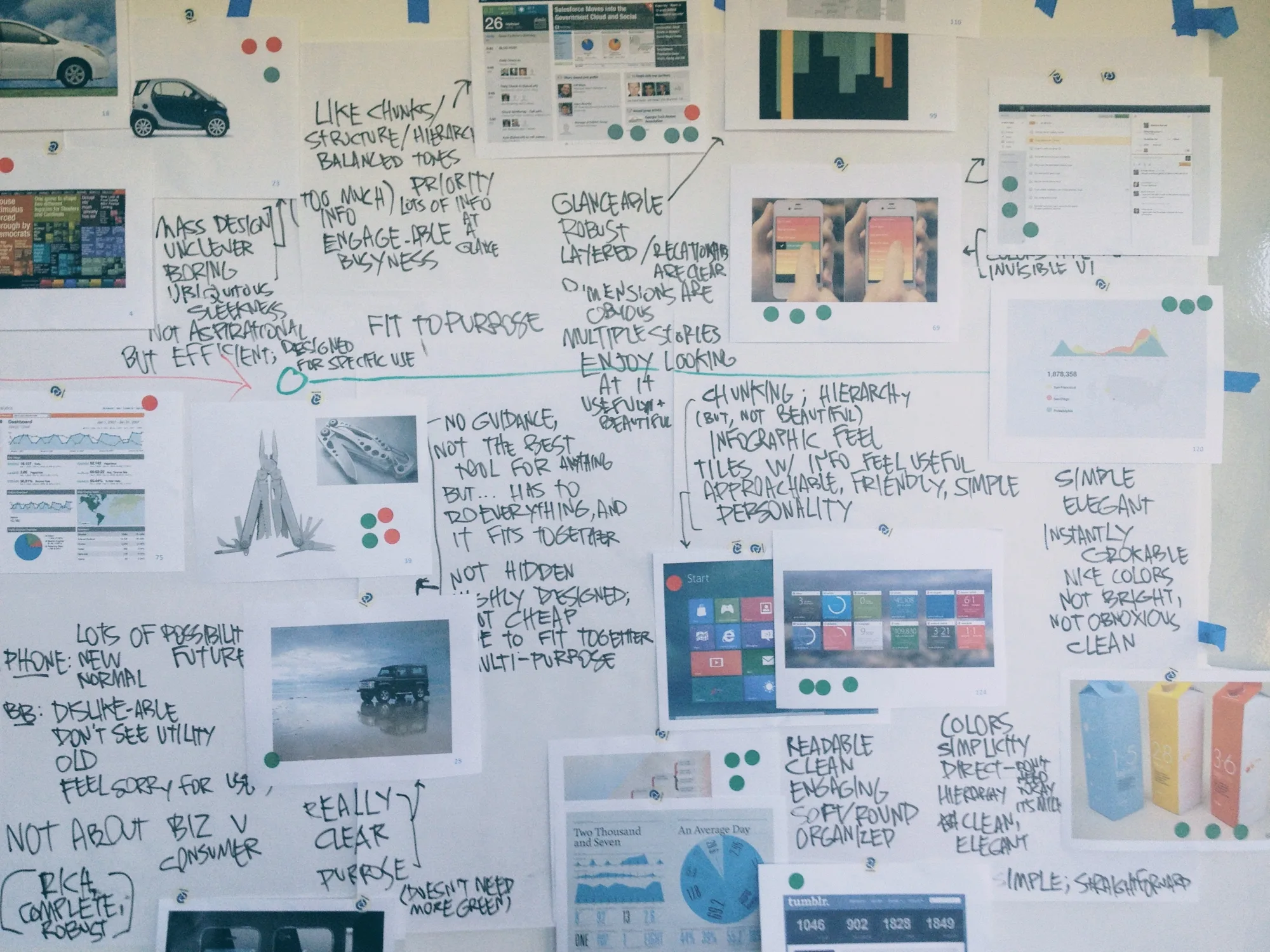
How to Run an Experience Workshop
A well-run workshop is structured but flexible — designed to encourage discussion while keeping everyone focused.
1. Prepping for Success
Materials You’ll Need:
- A large whiteboard or blank wall
- Sticky notes, markers, and pens
- A set of images (screenshots, magazine clippings, mood boards)
- Voting stickers or dots
- A camera or phone to capture results
Room Setup:
- Clear wall space for an Experience Canvas
- Open seating for movement and collaboration
- A well-lit space where people can step back and take it all in
Pro Tip: A great workshop starts with the right environment — one that sparks creative thinking and open discussion.
2. Running the Workshop
Step 1: The Experience Canvas
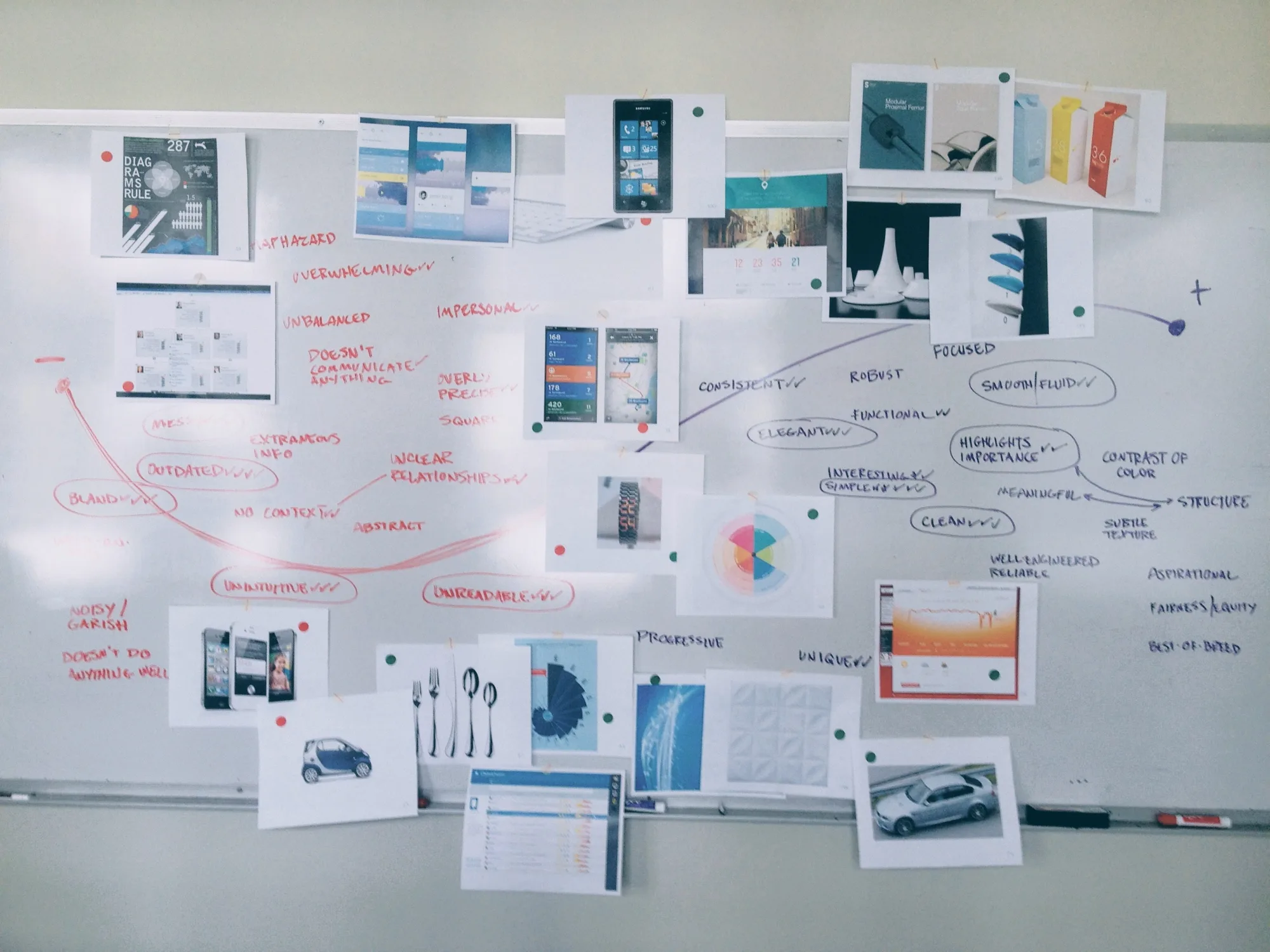
Start with a blank Experience Canvas — a two-axis chart with opposing attributes (e.g., simple ↔ complex, playful ↔ serious). This visual framework helps map out where the product experience should land.
Step 2: Image Selection
- Lay out a diverse mix of images representing different potential moods and aesthetics.
- Ask participants to select images that feel “right” (or “wrong”) for the experience you’re aiming to create.
Step 3: Voting & Discussion
- Participants use stickers or dots to vote on images that best capture the intended experience.
- Discuss the choices — what emotions do these images evoke? Which themes emerge?
What You’re Looking For: Recurring words like bold, welcoming, modern, trustworthy — these will guide your design direction.
Step 4: Synthesizing Insights
- Group similar themes and call out contradictions (e.g., friendly vs. authoritative).
- Capture key takeaways in a shared document — these will serve as a north star for your design process.
Turning Workshop Insights into Action
Workshops are only valuable if their insights translate into tangible design decisions. Here’s how to make that happen:
1. Define Experience Attributes
🔹 Review the strongest keywords — these become your core design principles.
🔹 Group related terms (e.g., friendly + approachable = welcoming).
🔹 Ensure alignment with brand and user research.
2. Bring It to Life Visually
- Color Palette: Does friendly mean warm tones? Does bold mean high contrast?
- Typography Choices: Serif fonts often feel traditional; sans-serif tends to feel modern and clean.
- Layout & UI Elements: Should the experience feel minimal and structured or dynamic and expressive?
Common Pitfalls — and How to Avoid Them
🚧 Dominant Voices Taking Over → Have participants write down votes before discussion starts.
🚧 Quiet Participants Not Engaging → Use multiple ways to contribute (spoken, written, visual).
🚧 Diverging Opinions Creating Friction → Align the discussion back to user needs and brand goals.
🚧 Lack of Follow-Through → Document the workshop clearly, and assign action items immediately.
Final Thoughts
A well-run Experience Workshop doesn’t just generate ideas — it creates alignment and momentum. When teams actively shape the product’s emotional tone together, execution becomes clearer, decisions happen faster, and the end result resonates more with users.
Key Takeaways:
✅ Structure the workshop to engage all participants.
✅ Use visuals to articulate abstract experience goals.
✅ Document everything — workshops are only valuable if they inform real decisions.
Have you tried running an Experience Workshop? I’d love to hear your take!